
What does this assessment look at?
Think of a recent time you saw a photo, received a comment, or decided whether to take part in an activity.
Question distribution by area
Each percentage shows the share of questions in that area.
- Repeated checking 5 questions 16.7%
- Comparison and comments 10 questions 33.3%
- Everyday participation 5 questions 16.7%
- Acceptance and self-worth 10 questions 33.3%
Repeated checking 5 questions
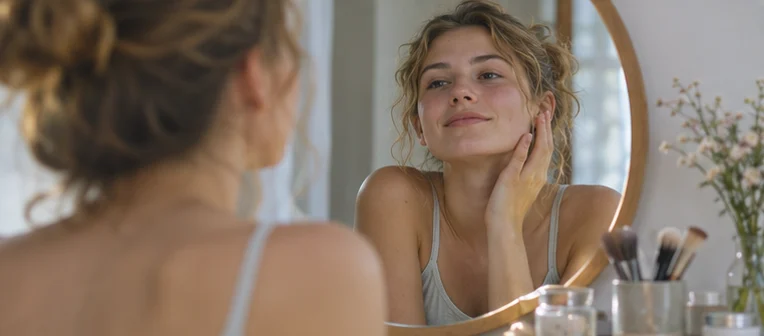
Consider how much time you spend checking mirrors, editing photos, or concealing features.
I often examine how I look and feel that my appearance has many flaws.
Comparison and comments 10 questions
Reflect on how social media, comparisons, and comments affect your mood.
When I see someone my age who looks particularly attractive or has a physique I admire, I cannot help comparing myself with them.
Everyday participation 5 questions
Notice whether appearance worries change decisions about going out, socializing, or caring for your body.
I hold back from socializing because I worry that I do not look good enough.
Acceptance and self-worth 10 questions
Consider how you see your appearance and which abilities you value beyond it.
I can accept small imperfections in my appearance and body.
Who is this assessment for?
- People affected by appearance comments. Identify the kind of situation that most often leads you to compare yourself.
- People whose plans change because of appearance concerns. Notice which activities you put off or cancel because of those worries.
How do I answer, and how is the score calculated?
The maximum is 150 points. Higher scores reflect more reported appearance concerns or effects on everyday life.
What will your report tell you?
The report explains four score ranges and offers actions to try for each.
| Total score | Interpretation | What you can try |
|---|---|---|
| 0–60 | Few appearance concerns reported · Appearance concerns usually take up little of your attention. Notice the activities that help you feel at ease and engaged. | Write down an activity you can easily get absorbed in. |
| 61–90 | Occasional appearance concerns · Certain photos or comments may distract you, though the concern usually passes. | Note one situation that leads you to compare your appearance and how you feel afterward. |
| 91–120 | Frequent appearance concerns · Checking or comparing may take up time or influence whether you share photos or attend activities. | Choose one repeat check and try delaying it for a few minutes. |
| 121–150 | Appearance concerns affect daily life · Appearance worries may repeatedly affect your mood or participation. Start by describing an activity they make harder. | Write down one activity you postponed or canceled and what worried you most at the time. |