

Psychoticism Questionnaire (PSY Scale)
The PSY questionnaire asks about personal experiences, including trust, sensitivity, perceptions, and thoughts. The report summarizes your answers under the scoring rules used for this version.
Browse by topic or search for something you want to understand better.

The PSY questionnaire asks about personal experiences, including trust, sensitivity, perceptions, and thoughts. The report summarizes your answers under the scoring rules used for this version.

Look at how you set goals, check progress, and decide when to change course. The questions cover busywork, copying others’ routines, and sticking with an approach because of the time you have already invested.

Explore how you recognize recurring strain in a romantic relationship, maintain boundaries, weigh whether to stay, and make space to recover afterward.

School, work, and relationships can all leave you feeling low. This assessment looks at how you recognize what brought a low mood on, respond to yourself with kindness, and use manageable steps to get back to your routine. Your report explains the habits reflected in your answers and suggests a few things to try the next time you feel weighed down.

How do you stay close to your partner while making room for privacy, time apart and your own goals? This assessment explores five kinds of boundaries that can show up in everyday relationships. Use the report to identify a situation you want to discuss or handle differently.

The R scale is part of the Minnesota Multiphasic Personality Inventory (MMPI). It asks about reactions to stress and disagreement, what you share with others, personal interests, and everyday experiences. The report interprets the response pattern using the reference norms for this version.

Reflect on how you respond to disagreements, communicate when emotions run high, and reconnect after a conflict.The report shows an overall score and suggestions for everyday disagreements and more complex conflicts.

When you pull back from work or study, are you taking a restorative break or getting stuck in a pattern of avoidance? This assessment explores procrastination, self-doubt, reactions to pressure, and how easily you get back on track after resting.Your report shows a total score, explains the corresponding range, and offers practical ways to rebuild momentum while making time for rest.For students under academic pressure, workers feeling worn down, and anyone who feels unsure about what to work toward next.
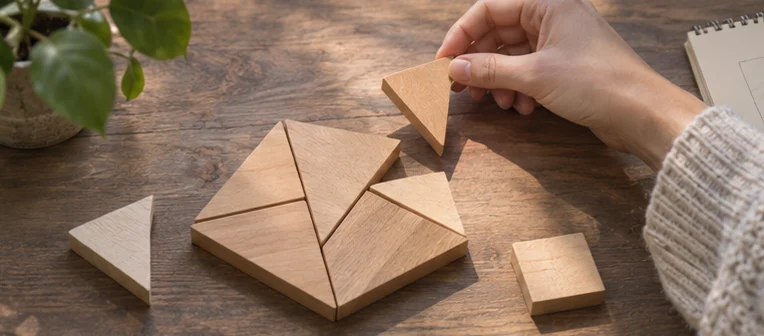
When a familiar approach stalls, can you work backward from a failure, test an opposite assumption, or look at the problem from another side? This assessment explores the habits you report using to challenge routines, anticipate risks, and generate alternatives.

Reflect on how you spot warning signs, check assumptions, and prepare for problems before and during a task.

Reflect on what makes going to school or doing schoolwork easier or harder. The questions cover academic pressure, relationships at school, motivation, and whether your efforts feel worthwhile.The report shows which of four score ranges your responses fall into and offers practical next steps for that range.For teens who want to understand changes in their motivation, school attendance, or sense of belonging at school.

How do you respond when you make a mistake, get criticized, or notice something you wish were different about yourself? This assessment explores how you recognize strengths, relate to your feelings and appearance, and tell a disappointing outcome apart from a judgment about who you are.

Explore what you notice about yourself in everyday life, from your feelings and motives to the impression you make on others.The report shows separate scores for private and public self-awareness.

When you make a mistake, receive feedback, or compare yourself with someone else, how do you talk to yourself? Explore whether self-doubt shows up most in your thinking, in the opportunities you pursue, or in how you feel around other people. The results offer a starting point for noticing your strengths and responding more fairly to setbacks.

Reflect on how you value yourself, recognize your strengths, and respond to self-critical thoughts.

Reflect on how you interpret ambiguous social cues, such as a delayed reply, a neutral tone, or a quiet moment. The questions also ask how long you dwell on those interactions and how they affect your mood.

A classmate answers briefly, whispers to a friend, or disagrees with you in a group. How do you interpret the moment, and how long does it stay with you? This assessment explores how you read classmates’ reactions, express your own views and recover after awkward interactions.

How easily can you recognise a crossed boundary, say no, and hold your decision when someone pushes back? This questionnaire explores how you balance your limits with consideration for others.For people who want to communicate limits more clearly in friendships, family relationships, or at work.

Review your sleep patterns alongside symptoms such as fatigue, irritability, and forgetfulness. The questionnaire also asks about physical symptoms that may affect daily life.

Review recent changes in sleep, energy, concentration, mood, and physical comfort. The questionnaire also includes concerns about health and the effects of stress on daily activities.

This questionnaire explores comfort in social settings, including starting conversations, speaking in groups, taking part in social activities, and responding to scrutiny. The report uses the Social Introversion (Si) scale from the MMPI.

Explore how you interpret silence, delayed replies, jokes, and changes in tone. Notice which situations make it harder to let go of an interaction or consider more than one explanation.

Explore how you handle slow progress, practice-test setbacks, difficult material, and pressure from others. The questions also cover study routines, recovery after interruptions, rest, and asking for help.

Reflect on what you experience before, during, and after exams, from worry about results to changes in sleep, appetite, and concentration.