

Decision-Making Difficulties Questionnaire
Reflect on how you compare options, handle uncertainty, and feel after making a decision.
Browse by topic or search for something you want to understand better.

Reflect on how you compare options, handle uncertainty, and feel after making a decision.

When do you want advice, and when does it feel difficult to act without reassurance? These questions explore everyday decisions, confidence in acting independently, and how you respond to changes in close relationships.
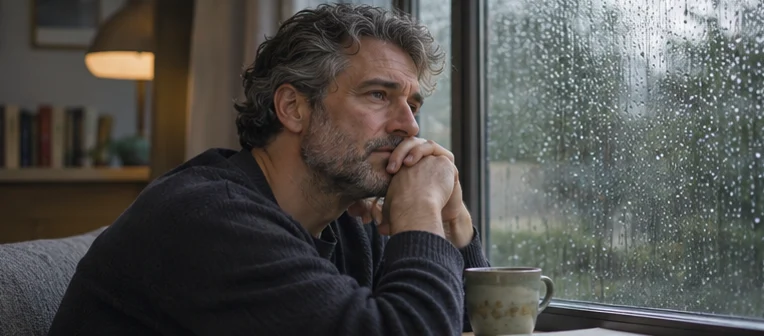
How do you think about setbacks, yourself, and what might happen next? This questionnaire asks about regret, self-criticism, worry, low mood, and how you judge others.

This nine-item questionnaire covers recent changes in mood, interest, energy, sleep, appetite, and concentration. It uses the wording and score ranges of the version available on this site.

What this questionnaire coversReflect on recent changes in mood, sleep, appetite, energy, concentration and interest in daily activities. This 16-item questionnaire uses the scoring rules of the source question bank, with a total out of 48.

How does dizziness affect your day?Explore how dizziness affects movement, reading, work, social activities and emotional well-being. The report shows your total and separate scores for physical, emotional and functional effects.

How do you respond when you make a mistake, disagree with someone, or have to make a decision without a clear answer? This assessment looks at how you take responsibility, manage strong feelings, accept limitations, and make room for other perspectives. Your report describes patterns in your answers and offers a few steps you can try in everyday situations.

Reflect on how secure you feel in relationships, when making decisions, and when spending time alone.The report places your total in one of four ranges and offers practical ways to respond to the patterns in your answers.For people who want to understand what leaves them feeling unsettled or looking for reassurance.

Notice how you recognize emotional changes, settle yourself during stress, and express feelings with other people. The questions use everyday situations such as misunderstandings, setbacks, and disagreements.

Reflect on how you respond to other people, criticism, disagreements, and frustration. The report provides a raw score and a T-score using the norms built into this questionnaire.

The CS questionnaire asks about initiative, persistence, interpersonal reactions, confidence, and other everyday experiences. The report summarizes your answers under this version’s scoring rules.

Reflect on how you approach unfamiliar ideas, solve problems, and respond to other people's opinions. The questionnaire also asks about imagination, intuition, persistence, and how you prefer to work.The sample report shows a score and a description of the corresponding result. Think of a recent task where you had several possible approaches, and consider how you chose among them.For people who want to reflect on how they explore ideas or solve problems in study, work, or everyday life.

Explore how much interest, enjoyment, and initiative you feel in everyday life. The questions cover personal goals, relationships, curiosity, and how you respond to effort and setbacks.

Do you tend to stick to your plans when distractions arise? This short questionnaire helps you reflect on how you follow through on commitments, manage spending, and handle everyday impulses.Your report pairs the score with practical ways to make a chosen habit easier to keep.

Reflect on how you respond to sensory stimulation, emotions, complex information, and changes in your surroundings.

When life gets busy, what helps you recover? This questionnaire looks at everyday conditions and habits that may shape how you cope with stress, including time management, social contact, rest, exercise, and your home environment.

Reflect on emotional and physical attraction, the relationships you imagine, and how you feel about describing your orientation.

Reflect on how you experience closeness, express your needs, handle uncertainty, and repair disagreements. The questions cover both experiences that help you feel secure and moments that bring up worry or hesitation.

Reflect on what happens when effort feels unrewarding, a setback shakes your confidence, or it is hard to find a direction. The questions cover withdrawal, persistence, expectations, and how you view your own efforts.

Rate how confident you feel with tasks such as explaining ideas, spotting errors, using tools, and organizing a group. The report shows how many tasks you rated as strengths in each area. Use it to identify tasks you want to explore in study, work, or volunteering.

How have worry, sleep, or confidence affected everyday activities recently? This two-option adaptation asks about distress, concentration, decisions, and enjoyment over the past one to two weeks.

This questionnaire for older adults asks about recent mood, energy, interests, concentration, and social activity. It is intended for screening and does not establish a diagnosis.For older adults reflecting on their recent mood and everyday activities.

Explore how you think about developing skills, responding to feedback, and trying again after setbacks. The questions cover unfamiliar tasks, comparison with others, and decisions about when to change your approach.

Explore how you respond to difficult assignments, mistakes, feedback, and opportunities to learn at work. The questions ask whether you see skills as something you can build and what you do when progress is slow.Your report shows one of four score ranges, with examples of how that pattern may show up at work and ways to practice a different response.For people who want to reflect on their approach to learning at work, especially when they are taking on new responsibilities or feeling stuck.