

Interpersonal Conflict Resolution Questionnaire
Reflect on how you address disagreements, manage emotions, listen to others, and repair relationships after a conflict.
Browse by topic or search for something you want to understand better.

Reflect on how you address disagreements, manage emotions, listen to others, and repair relationships after a conflict.

When you study, how do you organize new information, check your understanding, and decide what to review? This assessment looks at the strategies you report using, from taking notes and asking for help to making a realistic study plan.Your report shows where your responses fall across five score bands and suggests study habits you can try or refine. The questions are relevant to students and to adults learning independently.

Explore how you explain what happens to you. The questionnaire asks how much influence you attribute to your own choices and effort, and how much you attribute to chance, circumstances, or other people.

How do you find the central issue in a messy problem, decide which information to trust, and explain your reasoning to someone else? This assessment looks at the habits you report using in everyday study, work, and decisions.Use the report to identify a habit worth practicing, such as checking evidence, breaking a task into steps, or organizing an explanation. It is designed for students, professionals, and anyone who wants to make everyday decisions more deliberately.

Explore how you find and combine people, information, tools, and other resources to get work done.The report places your total in one of four ranges and suggests ways to make better use of the resources around you.For people who lead projects, work across teams, run a business, or want to spend less time solving problems alone.

Explore how you listen, communicate expectations, and respond when meetings or workplace conversations take an unexpected turn. The situations cover interruptions, competing priorities, adapting to your audience, and making decisions that affect other people.Your report combines your responses into a score range and offers practical ways to improve your next conversation. Use it as a starting point for reflection and practice.

Explore how you respond to feedback, deadlines, disagreements, and unexpected changes at work. The questions also cover noticing emotions, communicating needs, and recovering after setbacks.

Reflect on how you prioritize, switch between tasks, and keep track of details when several things need your attention.

Reflect on how you respond to requests, disagreements, and other people's expectations. The questions cover saying no, expressing your needs, handling disapproval, and noticing when accommodating others leaves you worn out.

This self-report questionnaire draws on Howard Gardner’s multiple intelligences framework to explore which activities and skills you identify with most.It covers eight areas, from language and logical reasoning to music, relationships, and observing nature. Use the profile to reflect on activities you enjoy and skills you want to develop in school or at work.

When someone disagrees with you, how do you listen, consider their situation, and decide what to say? This assessment explores the habits you report using with colleagues, friends, and family.Your report highlights how those habits may hold up in a disagreement or under pressure. It includes exercises for listening, checking your assumptions, and reflecting on your part in a conflict.

Reflect on how you set long-term goals, anticipate problems, allocate resources, and adjust your plans when things change.

How do you keep work moving when deadlines, people, and resources all compete for attention? This assessment examines the habits you use to plan, set priorities, hand off tasks, and respond to changes.Your report describes your coordination habits and suggests exercises for the situations that are hardest to manage.

How easily can you distinguish a look of embarrassment from guilt or a look of interest from excitement? In this picture quiz, you choose the emotion that best matches each expression from the options shown.Your report shows how many responses match the answer key and suggests ways to practice recognizing subtle facial cues in context.

Explore how you recognize recurring strain in a romantic relationship, maintain boundaries, weigh whether to stay, and make space to recover afterward.

School, work, and relationships can all leave you feeling low. This assessment looks at how you recognize what brought a low mood on, respond to yourself with kindness, and use manageable steps to get back to your routine. Your report explains the habits reflected in your answers and suggests a few things to try the next time you feel weighed down.

How do you respond when things go wrong, pressure rises, or a plan fails after sustained effort? This questionnaire explores how you steady yourself, respond to feedback, and decide what to do next.The report explains your score range and offers practical exercises for handling setbacks and getting back to work at a sustainable pace.For anyone who wants to reflect on how they respond to mistakes, criticism, and pressure in everyday life.

Reflect on how you respond to disagreements, communicate when emotions run high, and reconnect after a conflict.The report shows an overall score and suggestions for everyday disagreements and more complex conflicts.
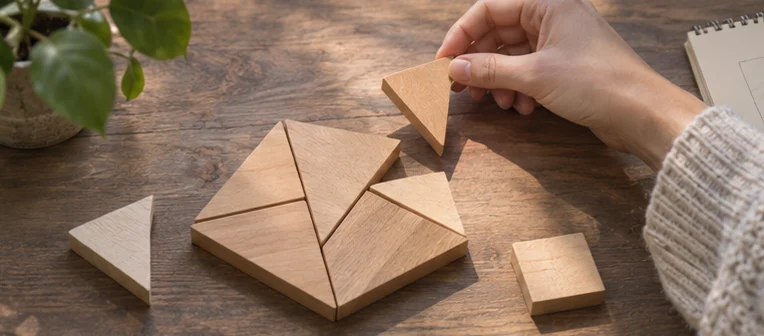
When a familiar approach stalls, can you work backward from a failure, test an opposite assumption, or look at the problem from another side? This assessment explores the habits you report using to challenge routines, anticipate risks, and generate alternatives.

Reflect on how you spot warning signs, check assumptions, and prepare for problems before and during a task.

Explore what you notice about yourself in everyday life, from your feelings and motives to the impression you make on others.The report shows separate scores for private and public self-awareness.

Reflect on how you see your abilities, strengths, and capacity to handle setbacks.

This MMPI scale asks about restraint, impulsive reactions, patience, and everyday beliefs and habits.

How confident are you that you can find a way forward when plans change, other people disagree, or a goal gets difficult? This questionnaire asks how you expect to handle obstacles, stay calm, and come up with solutions. The report shows your average response score and compares it with the reference value used by the original questionnaire.