
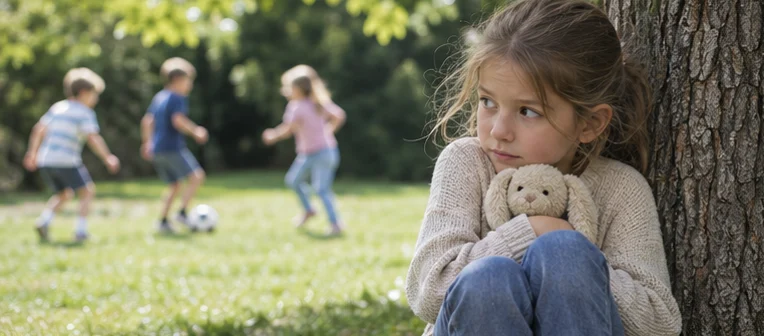
Child Social Anxiety Questionnaire
Reflect on how comfortable a child feels when meeting, playing with, or speaking around other children. The questions cover shyness, nervousness, and worries about being judged.
Assessment category
Browse by topic or search for something you want to understand better.

Reflect on how comfortable a child feels when meeting, playing with, or speaking around other children. The questions cover shyness, nervousness, and worries about being judged.
This questionnaire helps a parent or guardian record a child’s recent behavior and experiences. It covers areas such as rule-following, learning, physical complaints, impulsivity, worry, and activity level.

This questionnaire asks caregivers to describe a child’s everyday responses to touch, movement, and other sensations, as well as coordination and some early learning behaviors.The four areas organize observations for discussion. Note the setting and activity when a behavior occurs, since a child may respond differently at home, at school, or during play.

This questionnaire asks about experiences while you were growing up. It covers physical abuse, emotional abuse, sexual abuse, physical neglect, and emotional neglect.

This questionnaire asks how you understand your influence as a parent or caregiver. It explores how you explain what goes well, what feels hard to change, and the roles of your actions, your child’s actions, and circumstances.Parenting effectiveness How capable you feel of handling everyday parenting difficulties.Parental responsibility How much responsibility you attribute to parents for a child’s behavior and for parenting outcomes.Child influence on the parent The extent to which you feel your child’s actions and needs shape your choices or daily life.Fate and chance How much you attribute parenting outcomes to luck, fate, or unexpected events.Parental influence on the child How much influence you believe you have over your child’s behavior.

See how parenting has felt over the past one to two weeks. The questions cover time, energy, expenses, personal space, and the closeness and satisfaction you experience with your child.The report gives you an overall score and practical ways to address recurring sources of strain.

Record observations about communication, play, routines, and reactions to sound or touch.

This questionnaire organizes observations about a child’s communication, social interaction, responses to sensory input and changes in routine, and patterns of movement and play. The report shows the total and the corresponding range in this version of the questionnaire.