

Emotional Recovery After Setbacks
Reflect on what you do after a disappointment or a difficult day. The questions cover giving yourself time to feel upset, responding to mistakes without harsh self-criticism, and finding the energy to try again.
Assessment category
Browse by topic or search for something you want to understand better.

Reflect on what you do after a disappointment or a difficult day. The questions cover giving yourself time to feel upset, responding to mistakes without harsh self-criticism, and finding the energy to try again.

Reflect on how you respond to everyday criticism, setbacks, social comparisons, and changes to your plans.

Reflect on how secure you feel in relationships, when making decisions, and when spending time alone.The report places your total in one of four ranges and offers practical ways to respond to the patterns in your answers.For people who want to understand what leaves them feeling unsettled or looking for reassurance.

Notice how you recognize emotional changes, settle yourself during stress, and express feelings with other people. The questions use everyday situations such as misunderstandings, setbacks, and disagreements.

Explore how much interest, enjoyment, and initiative you feel in everyday life. The questions cover personal goals, relationships, curiosity, and how you respond to effort and setbacks.

Explore four patterns that can drain your attention and energy: repetitive worry, people-pleasing, perfectionism, and social comparison. Use recent examples to see when each pattern shows up.

Reflect on how you follow through on plans, manage distractions, and get back on track. The questions cover sleep, spending, leisure, and long-term habits.Your report places your total in one of four ranges and offers practical steps for that range.For anyone who wants to follow through more consistently on everyday plans or longer-term goals.

Reflect on how you respond to sensory stimulation, emotions, complex information, and changes in your surroundings.

Reflect on emotional and physical attraction, the relationships you imagine, and how you feel about describing your orientation.

Reflect on how you experience closeness, express your needs, handle uncertainty, and repair disagreements. The questions cover both experiences that help you feel secure and moments that bring up worry or hesitation.

Reflect on what happens when effort feels unrewarding, a setback shakes your confidence, or it is hard to find a direction. The questions cover withdrawal, persistence, expectations, and how you view your own efforts.
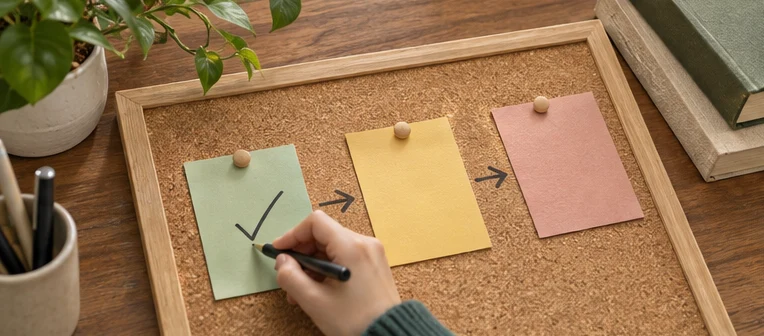
Reflect on how you set goals, plan the work, respond to setbacks, and keep going when competing demands arise.

Explore how you think about developing skills, responding to feedback, and trying again after setbacks. The questions cover unfamiliar tasks, comparison with others, and decisions about when to change your approach.

Explore how you respond to difficult assignments, mistakes, feedback, and opportunities to learn at work. The questions ask whether you see skills as something you can build and what you do when progress is slow.Your report shows one of four score ranges, with examples of how that pattern may show up at work and ways to practice a different response.For people who want to reflect on their approach to learning at work, especially when they are taking on new responsibilities or feeling stuck.

Talking to someone new, joining a group, or speaking up can feel harder when you worry about how you will come across. This assessment looks at what you do before, during, and after social situations. Your report identifies habits you can build on and gives you a small next step to try in a situation that matters to you.

When you step back from pressure, does the break help you recover and return to what matters? This questionnaire explores how you handle setbacks, avoid unproductive competition, and balance rest with follow-through.The report explains your score range and offers practical steps to help you manage pressure, maintain routines, and return to tasks after a break.For people who want to reflect on how they respond to everyday pressure at work, in school, or in their personal lives.

When plans go wrong or progress stalls, how do you decide whether to persist, ask for help, or change direction? This assessment explores the choices you make under pressure in work, study, and everyday life. Your report highlights patterns in your responses and suggests ways to handle a challenge in manageable steps.

Reflect on how you respond to criticism, setbacks, busy periods, and unexpected changes. The questions cover how long difficult feelings linger, how you talk to yourself after a mistake, and what helps you regain perspective.

What can you do for yourself when you feel hurt, anxious, or alone? This assessment looks at how you notice your feelings, reassure yourself, and use everyday activities to settle or lift your mood. It also asks how you respond when someone is unable to give you the support you hoped for.

Reflect on how you address disagreements, manage emotions, listen to others, and repair relationships after a conflict.

When the day goes quiet, worries, regrets, and unfinished tasks can feel more pressing. This assessment looks at what keeps your mind active before bed, how you feel when you are alone at night, and how those experiences can carry into the next day. Your report offers ideas based on your score range.

How do you find the central issue in a messy problem, decide which information to trust, and explain your reasoning to someone else? This assessment looks at the habits you report using in everyday study, work, and decisions.Use the report to identify a habit worth practicing, such as checking evidence, breaking a task into steps, or organizing an explanation. It is designed for students, professionals, and anyone who wants to make everyday decisions more deliberately.

Explore how you find and combine people, information, tools, and other resources to get work done.The report places your total in one of four ranges and suggests ways to make better use of the resources around you.For people who lead projects, work across teams, run a business, or want to spend less time solving problems alone.

Explore how you respond to feedback, deadlines, disagreements, and unexpected changes at work. The questions also cover noticing emotions, communicating needs, and recovering after setbacks.