

Mindful Spending Habits
Look at how discounts, recommendations, mood, and social pressure affect your purchases. The questions also cover budgeting, comparing products, and reviewing what you bought.

Look at how discounts, recommendations, mood, and social pressure affect your purchases. The questions also cover budgeting, comparing products, and reviewing what you bought.

When plans go wrong or progress stalls, how do you decide whether to persist, ask for help, or change direction? This assessment explores the choices you make under pressure in work, study, and everyday life. Your report highlights patterns in your responses and suggests ways to handle a challenge in manageable steps.
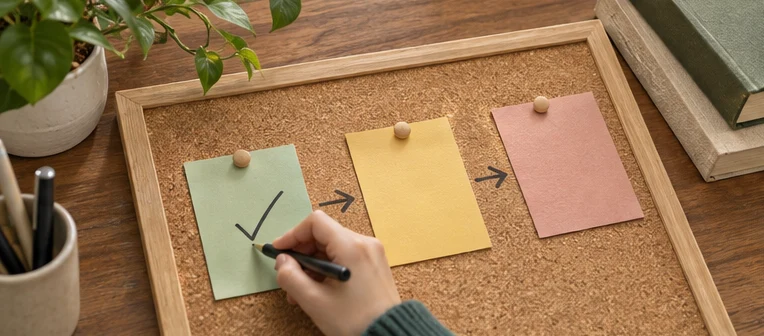
Reflect on how you set goals, plan the work, respond to setbacks, and keep going when competing demands arise.

Which parts of socializing take the most energy for you? This questionnaire explores putting other people's needs first, dwelling on social cues, and avoiding interactions. It helps you reflect on specific moments, such as agreeing to a favor you cannot comfortably do or replaying a brief conversation afterward.

How easily can you recognise a crossed boundary, say no, and hold your decision when someone pushes back? This questionnaire explores how you balance your limits with consideration for others.For people who want to communicate limits more clearly in friendships, family relationships, or at work.

Review recent changes in sleep, energy, concentration, mood, and physical comfort. The questionnaire also includes concerns about health and the effects of stress on daily activities.

Reflect on what helps you respond constructively to setbacks, notice good moments, and keep working toward small goals. The questions cover how you handle criticism, respond to low moods, and learn from mistakes.

How do you notice enjoyable moments, respond to setbacks, and make room for rest when you feel low? This questionnaire explores habits that can help you nurture positive emotions while making space for difficult ones.Your report explains your score range and suggests practices for noticing what feels good, adjusting how you respond to challenges, and finding ways to recover.For anyone who wants to understand how they notice, express, or regulate emotions in everyday life.

Explore four patterns that can drain your attention and energy: repetitive worry, people-pleasing, perfectionism, and social comparison. Use recent examples to see when each pattern shows up.

See how you spot small discrepancies, follow through on routine steps, catch and correct mistakes, stay organized, and anticipate problems before they reach someone else. The questions cover familiar situations such as proofreading, checking figures, handling interruptions, and handing work over.

How do you keep work moving when deadlines, people, and resources all compete for attention? This assessment examines the habits you use to plan, set priorities, hand off tasks, and respond to changes.Your report describes your coordination habits and suggests exercises for the situations that are hardest to manage.

Explore habits that can keep plans from becoming actions, such as perfectionism, avoiding difficult tasks, overthinking, unclear priorities, and distractions. The report describes how often barriers may arise and suggests ways to get started and keep going.For students and professionals who often put off work, switch between goals, or struggle to carry a plan through.

What takes up your energy at work? This assessment looks at four patterns: comparing yourself with colleagues, agreeing to too much to keep others happy, feeling unsure about your career direction, and pushing for perfection. Notice which patterns appear in your answers and connect them with specific moments in your working week.

Reflect on how you work with colleagues when goals are shared, opinions differ, or a task needs extra help. The questions cover progress updates, listening, shared responsibility, and practical support.

Explore how you respond to feedback, deadlines, disagreements, and unexpected changes at work. The questions also cover noticing emotions, communicating needs, and recovering after setbacks.

Explore how you respond to difficult assignments, mistakes, feedback, and opportunities to learn at work. The questions ask whether you see skills as something you can build and what you do when progress is slow.Your report shows one of four score ranges, with examples of how that pattern may show up at work and ways to practice a different response.For people who want to reflect on their approach to learning at work, especially when they are taking on new responsibilities or feeling stuck.

Take stock of how you respond to busy periods, criticism, changes, and conflict at work. The questions cover prioritizing, asking for help, recovering after setbacks, and making room for rest.

A new job can mean unfamiliar routines, new colleagues and a faster pace. This self-assessment helps you reflect on how you settle into a team, communicate, manage pressure and learn the demands of your role.What you’ll learnYour result identifies habits that already help you and offers practical ways to build confidence, organize work and handle feedback.Who it’s forRecent graduates, people in their first year of work and anyone still finding their footing in a new workplace.

Reflect on how you follow through on plans, manage distractions, and get back on track. The questions cover sleep, spending, leisure, and long-term habits.Your report places your total in one of four ranges and offers practical steps for that range.For anyone who wants to follow through more consistently on everyday plans or longer-term goals.

What helps you feel that you matter? This assessment explores how praise, criticism, achievements, and your own judgment shape your sense of worth at work, in school, and in relationships.

When you make a mistake, receive feedback, or compare yourself with someone else, how do you talk to yourself? Explore whether self-doubt shows up most in your thinking, in the opportunities you pursue, or in how you feel around other people. The results offer a starting point for noticing your strengths and responding more fairly to setbacks.

How do you respond when you make a mistake, get criticized, or notice something you wish were different about yourself? This assessment explores how you recognize strengths, relate to your feelings and appearance, and tell a disappointing outcome apart from a judgment about who you are.

Reflect on what you do after a disappointment or a difficult day. The questions cover giving yourself time to feel upset, responding to mistakes without harsh self-criticism, and finding the energy to try again.

How do you decide when to say no, share something personal, or ask for help? This assessment explores both giving more than you can manage and keeping people at a distance. It helps you connect your answers with real situations involving time, privacy, closeness, and requests for support.