

Mental Energy in Everyday Life
This assessment looks at how much energy you feel you have for everyday tasks and what helps you recover. It asks about sleep, focus, reactions to pressure, relationships, boundaries, and time for yourself.
Assessment category
Browse by topic or search for something you want to understand better.

This assessment looks at how much energy you feel you have for everyday tasks and what helps you recover. It asks about sleep, focus, reactions to pressure, relationships, boundaries, and time for yourself.

What takes up your energy at work? This assessment looks at four patterns: comparing yourself with colleagues, agreeing to too much to keep others happy, feeling unsure about your career direction, and pushing for perfection. Notice which patterns appear in your answers and connect them with specific moments in your working week.

Look at how you set goals, check progress, and decide when to change course. The questions cover busywork, copying others’ routines, and sticking with an approach because of the time you have already invested.

Reflect on how you respond to disagreements, communicate when emotions run high, and reconnect after a conflict.The report shows an overall score and suggestions for everyday disagreements and more complex conflicts.
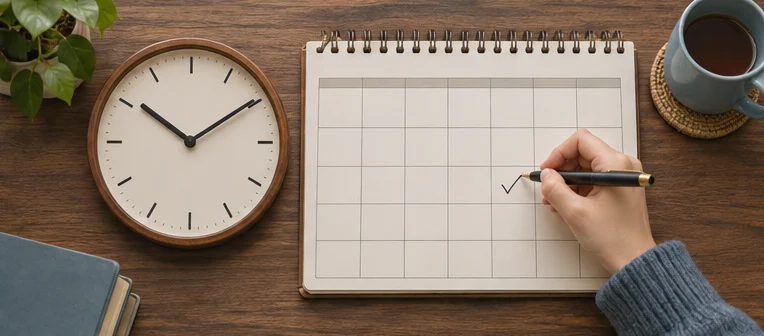
Reflect on how you set priorities, estimate time, handle interruptions, and follow through on plans.

Anger, anxiety, hurt, and disappointment can point to different needs. This assessment asks how you notice those feelings, steady yourself, and decide what to do next. It covers habits such as setting a boundary, asking for support, and breaking a difficult task into smaller steps.

Explore how you think about developing skills, responding to feedback, and trying again after setbacks. The questions cover unfamiliar tasks, comparison with others, and decisions about when to change your approach.

Reflect on how you address disagreements, manage emotions, listen to others, and repair relationships after a conflict.
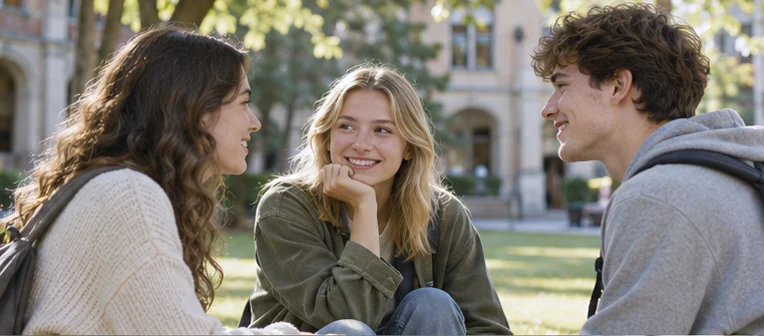
A classmate answers briefly, whispers to a friend, or disagrees with you in a group. How do you interpret the moment, and how long does it stay with you? This assessment explores how you read classmates’ reactions, express your own views and recover after awkward interactions.